


Organic right from the start – From breeding to the end product.
Where does organic start?
According to the definition of the EU Organic Farming Act, organic seed must be used for organic farming. In most cases, this seed comes from conventionally bred varieties and has only been propagated for one generation under organic conditions. That is not enough! We are of the opinion that organic must start earlier, namely at the breeding stage.
What means organic breeding?
Bio-Züchtung develops open-pollinated organic varieties for the special requirements of organic farming using methods and techniques that are compatible with the principles of organic farming – without genetic engineering!
What is bioverita?
bioverita …
- unites the most important organic breeding initiatives in Europe
- certifies new open-pollinated varieties according to strict guidelines
- provides its own variety lists with varieties from organic breeding
- makes organic breeding better known
- co-operates with partners from breeding, seed trade, agriculture, plant nurseries, wholesale, direct marketing, natural food trade, catering and processing companies in the organic sector to make the varieties better known.
The label for organic breeding
The bioverita label characterises products at all stages of the value chain: from varieties to seeds, young plants, fresh vegetables and processed products such as flour, bread or juice. Organic right from the start. From breeding to the end product.
Would you also like to get involved in organic breeding? Then get in touch with us.

- 221 varieties of organically bred vegetables
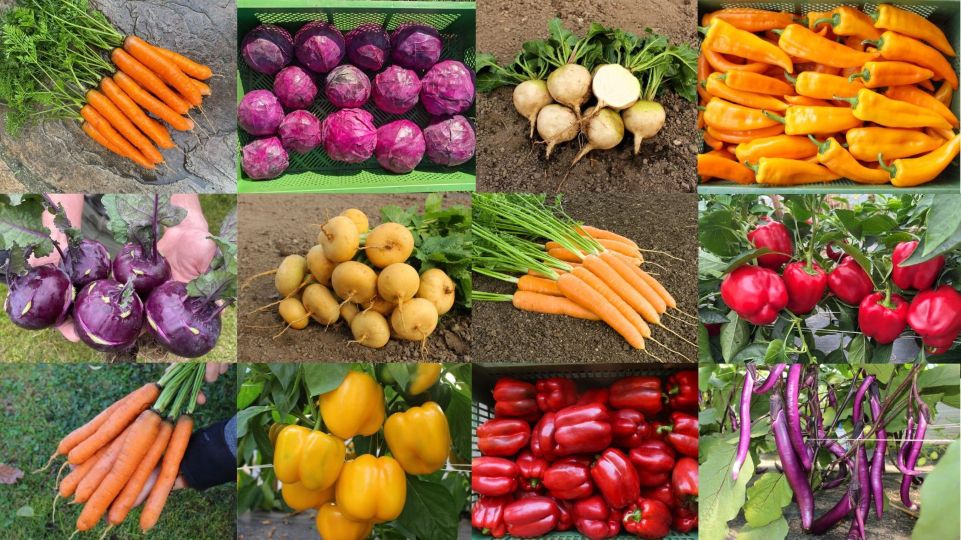 Twelve new vegetable varieties have recently been awarded bioverita certification. Eleven of them were bred by Reinhild Frech-Emmelmann/ReinSaat GmbH in Austria: the sweet pepper varieties Cubo Yellow, Fiorosso, Kasaya and Yoyoma, the aubergine Tarim, the carrots Melina, Mirella and Olina, the kohlrabi Rocco, the red cabbage Rosamund, and the spring turnip Ludwoski. The white beetroot ...
 - A spirit of inquiry for new varieties
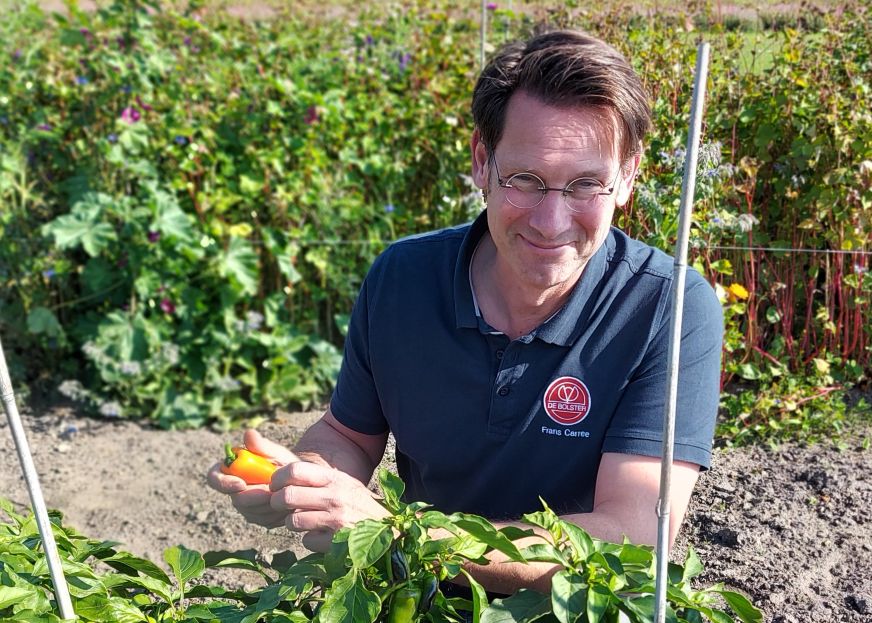 The Dutch seed supplier de Bolster has been a member of bioverita since 2022, contributing its breeding activities. Some varieties are already bioverita-certified, whilst others are in the pipeline – as breeder Frans Carree explains.
 - A look back at Biofach 2026
 A place for information, discussion and networking: in February, the ‘Meeting point Organic breeding’ was once again THE go-to destination for organic breeding at the world’s largest organic trade fair.
 - Review of Biofach 2025
 A new appearance – same message: organic from the start – without genetic engineering! For the fifth time, bioverita organized the organic breeding meeting point at BioFach, bringing a core topic of the organic sector to the heart of the trade fair.
bioverita sees itself as a counterbalance to genetic engineering and the consolidation in the seed industry with fewer and fewer suppliers. The range of organic varieties for organic farming must therefore be increased.
bioverita is always about organic breeding – whether that is vegetables, cereals or coming soon, apples!
In 2021 leading representatives of the organic industry congratulated bioverita on the 10th anniversary
[testimonials_cycle theme=”clean_style” count=”-1″ category=”en” order_by=”date” order=”ASC” show_title=”0″ use_excerpt=”0″ show_thumbs=”1″ show_date=”0″ show_other=”0″ hide_view_more=”0″ output_schema_markup=”0″ testimonials_per_slide=”1″ transition=”fade” timer=”10000″ pause_on_hover=”true” auto_height=”calc” show_pager_icons=”1″ prev_next=”0″ display_pagers_above=”0″ paused=”0″]